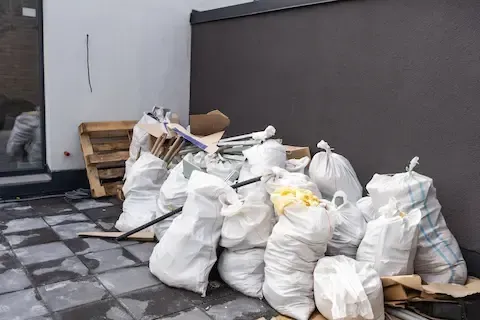
Foreclosure Property Cleanout in Woodburn: Bank-Ready Service
Foreclosure properties in Woodburn require specialized cleanout services that meet bank standards, comply with property preservation guidelines, and prepare homes for rapid resale in competitive markets. Whether you're a lender managing REO inventory, a property management company handling asset disposition, or an investor acquiring foreclosed properties, understanding bank-ready cleanout processes ensures you meet regulatory requirements while controlling costs and timelines.
Foreclosure cleanouts differ fundamentally from standard residential clearing. These properties often contain abandoned belongings requiring proper legal handling, tenant-caused damage needing documentation, and condition issues that affect marketability. Professional services must navigate property access laws, disposal regulations, and bank-specific requirements while delivering results that allow properties to enter MLS listings quickly.
Understanding Foreclosure Cleanout Requirements
Bank-owned properties require cleanout services meeting specific industry standards established by Fannie Mae, Freddie Mac, FHA, and individual lenders. These standards address debris removal, property securing, initial cleaning, utility verification, and documentation proving work completion. Non-compliance can delay property sales, reduce values, or create liability exposure for lenders and their contractors.
The Fannie Mae Property Preservation Matrix outlines detailed requirements for REO properties including complete debris removal from all structures and grounds, securing all access points, winterization when appropriate, and initial cleaning bringing properties to "broom clean" condition. Each task requires photographic documentation showing before and after conditions with date stamps proving work timeline compliance.
Legal considerations govern how abandoned personal property gets handled. Oregon law requires specific notification processes before disposing of tenant belongings in foreclosed properties. Even when properties appear completely abandoned, contractors must follow statutory waiting periods and documentation protocols. Failure to comply creates liability for wrongful disposal claims that can cost thousands in damages plus legal fees.
Timeline pressures affect foreclosure cleanouts significantly. Lenders want properties market-ready within 7-14 days of acquiring title to minimize carrying costs and maximize recovery. This urgency requires cleanout services that can deploy quickly, work efficiently, and deliver complete results without callbacks for missed items or inadequate cleaning.
The Bank-Ready Cleanout Process
Professional foreclosure cleanout begins with comprehensive property inspection documenting existing conditions before any work starts. Inspectors photograph every room from multiple angles, note damage requiring repair beyond cleaning scope, identify hazardous materials, check utility status, and assess access challenges. This documentation protects contractors from damage claims and provides lenders with accurate condition assessments.
Debris removal addresses all structures including main dwelling, detached garages, sheds, and yard areas. Foreclosure properties frequently contain everything from furniture and appliances to construction debris, yard waste, and sometimes vehicles. Complete clearing means nothing remains except permanent fixtures—walls, floors, built-in cabinets, and systems like HVAC or water heaters.
Personal property handling follows strict protocols. Items clearly abandoned get removed, but situations where occupancy timing is unclear require conservative approaches. Professional services photograph all removed items, maintain detailed inventory lists, and store items meeting value thresholds per Oregon statutes. This documentation protects against claims while ensuring legal compliance.
Initial cleaning brings properties to broom-clean condition—swept floors, wiped surfaces, and general debris removal. This differs from deep cleaning or move-in ready preparation. Broom-clean satisfies bank requirements for initial marketing while allowing buyers to assess true property condition. Additional cleaning happens later based on buyer expectations or investor rehabilitation plans.
Property securing prevents vandalism, unauthorized access, and weather damage during marketing periods. This includes verifying all doors and windows lock properly, installing secure lockboxes, boarding broken windows, and sometimes adding security systems. Winterization protects plumbing in properties sitting vacant through cold months—draining water systems prevents freeze damage that would significantly reduce property values.
Documentation and Reporting Standards
Bank-ready cleanout requires extensive documentation meeting lender asset management requirements. Professional services provide before-and-after photo sets showing each room, exterior areas, and specific damage or condition issues. Date-stamped images prove work completion timelines and condition at transfer.
Detailed invoices itemize all work performed with specific descriptions—not just "debris removal" but "removed 2 truck loads furniture, 1 load appliances, 1 load yard waste from 1,200 sq ft property." This specificity helps lenders verify charges align with property conditions and industry pricing norms. Generic invoicing creates approval delays and payment disputes.
Disposal documentation proves proper waste handling. Transfer station receipts, donation organization confirmations, and hazardous waste disposal certificates demonstrate regulatory compliance. Lenders increasingly require this documentation to verify contractors aren't illegally dumping materials, which creates environmental liability and potential regulatory fines.
Costs and Pricing for Foreclosure Cleanouts
Foreclosure property cleanout in Woodburn typically costs $1,200-5,000 for standard single-family homes, with pricing driven by debris volume, property size, damage severity, and access challenges. A typical 1,200 square foot home moderately furnished with normal abandonment debris averages $1,800-2,800. Heavily loaded properties or those with hoarding conditions can exceed $6,000.
Pricing structures vary between flat-rate bids based on property inspection and time-and-materials billing with not-to-exceed caps. Flat rates provide budget certainty lenders prefer for financial planning but require accurate upfront assessment. Time-and-materials with caps protects contractors when properties contain more debris than visible during exterior inspection while giving lenders cost control.
Volume-based pricing charges per truck load removed—typically $300-500 per standard truck load depending on material types and disposal requirements. This transparent approach lets lenders verify charges match actual volumes but creates uncertainty about total costs until work completes. Most foreclosure work uses hybrid models combining base fees for labor with per-load disposal charges.
Additional costs emerge from specialized needs. Biohazard cleaning for properties with drug contamination, bodily fluids, or severe pest infestations adds $500-3,000. Hazardous material disposal for paint, chemicals, and asbestos-containing materials runs $200-800. Vehicle removal when cars are abandoned on properties costs $150-400 per vehicle depending on condition and towing requirements.
Common Foreclosure Property Challenges
Tenant damage represents the most frequent complication in foreclosure cleanouts. Angry occupants sometimes intentionally damage properties before vacating—punching holes in walls, breaking fixtures, pouring concrete down drains, or removing appliances and fixtures. Professional cleanout services document this damage thoroughly, separating it from normal wear-and-tear in their reporting to protect lenders during insurance claims.
Abandoned vehicles create legal and practical challenges. Oregon law requires specific processes for removing vehicles from private property, including DMV notification and waiting periods. Simply hauling vehicles to scrap yards without proper procedures creates liability. Professional services coordinate with licensed towing companies handling required legal steps while documenting vehicle conditions and VIN numbers.
Utility access affects cleanout efficiency. Properties with disconnected electricity limit work hours to daylight and prevent adequate assessment of dark spaces like basements or garages. Water shutoffs prevent cleaning and create questions about plumbing functionality. Professional services coordinate with utility companies to restore services temporarily during cleanout when necessary, though this adds costs and timeline complexity.
Pest infestations require specialized treatment before standard cleaning can proceed. Rodent droppings, bed bugs, cockroach infestations, and sometimes larger pests like raccoons or possums inhabit neglected foreclosure properties. Remediation adds both cost and time, typically requiring 3-7 days for treatment effectiveness before debris removal continues safely.
Working With Banks and Asset Management Companies
Lenders and asset managers maintain approved vendor lists requiring contractors to meet specific qualification standards before receiving work. These typically include general liability insurance minimums of $1-2 million, workers compensation coverage, business licensing, and sometimes bonding. Getting on approved vendor lists involves application processes, reference checks, and sometimes trial periods with smaller assignments.
Payment terms in foreclosure work differ from typical consumer services. Net-30 or net-45 day payment cycles are standard, with some institutional lenders stretching to 60 days. Invoice submission requires specific documentation, approval workflows involve multiple parties, and payment disputes create significant delays. Contractors must maintain cash flow supporting these extended receivables cycles.
Work order systems standardize how banks request and authorize services. Property preservation platforms like Cyprexx, Five Brothers, or Safeguard Properties route work orders, track completion, manage documentation, and process payments. Contractors working in foreclosure cleanout must integrate with these systems, understanding their reporting requirements and documentation standards.
Quality control inspections verify work completion before payment authorization. Third-party inspectors visit properties after reported completion, checking that debris removal is thorough, cleaning meets standards, and securing is adequate. Failed inspections require return trips to address deficiencies—an expensive outcome when properties are 20-30 minutes from your base location.
Preparing Properties for Different Disposition Strategies
Bank-ready condition varies based on intended disposition method. Properties selling as-is to investors need basic cleanout and securing but not cosmetic improvement. Homes being retail-marketed to owner-occupants often require enhanced cleaning, minor repairs, and presentation upgrades. Understanding the strategy helps contractors deliver appropriate service levels without over-investing or under-performing.
As-is investor sales require complete debris removal, broom-clean condition, and functional securing. Buyers expect to handle all improvements, so contractors focus purely on clearing and protecting rather than enhancing. This represents the minimum bank-ready standard and typically the most cost-effective cleanout approach.
Retail marketing to owner-occupants often justifies enhanced services. Professional deep cleaning, carpet cleaning or removal, minor repair coordination, and yard cleanup improve showing quality and can increase sale prices by amounts exceeding service costs. Some asset managers pre-authorize these enhancements; others require contractor recommendations with cost-benefit justification.
Auction properties prepare differently than MLS listings. Auction buyers expect condition disclosure and as-is sales, so presentation matters less than accurate documentation. Cleanout focuses on removing obstacles to property inspection and ensuring buyer safety during viewing rather than creating appealing presentation.
Specialized Situations in Foreclosure Cleanout
Drug lab contamination requires specialized remediation beyond standard cleanout capabilities. Properties used for methamphetamine production contain chemical residues permeating building materials and requiring certified decontamination. Standard cleanout contractors should recognize contamination signs—chemical odors, staining, modified ventilation systems—and halt work pending proper assessment and remediation.
Hoarding conditions in foreclosed properties create extreme cleanout challenges. These situations combine massive debris volumes with biohazards, structural damage risks, and pest infestations. Costs easily reach $8,000-15,000 for severe hoarding cleanouts in standard homes. Professional residential and estate cleanout junk removal services handling these situations need appropriate safety equipment, biohazard training, and disposal capabilities for contaminated materials.
Fire or water damage complicates cleanouts significantly. Smoke-damaged items require different disposal than standard debris. Water damage creates mold risks affecting worker safety and requiring remediation before cosmetic cleaning. Insurance considerations sometimes overlap foreclosure proceedings, creating questions about which party bears remediation costs and who authorizes work.
Rural properties present unique challenges. Woodburn's surrounding agricultural areas include foreclosed properties on larger parcels with outbuildings, equipment storage, and sometimes agricultural waste. Cleanout scope expands dramatically beyond standard residential work, and disposal logistics become more complex with larger volumes and specialized materials.
Regulatory Compliance and Risk Management
Environmental regulations govern disposal of materials commonly found in foreclosure properties. Paint, solvents, pesticides, automotive fluids, and electronics require proper hazardous waste handling through Marion County Environmental Services. Contractors illegally dumping these materials face fines up to $25,000 per violation plus cleanup costs and potential criminal charges.
Lead-based paint regulations apply to pre-1978 properties when work disturbs painted surfaces. While basic cleanout typically doesn't trigger lead-safe work practice requirements, contractors should recognize situations where compliance becomes necessary and either obtain proper certification or decline work exceeding their qualified scope.
Asbestos awareness protects workers and prevents liability. Foreclosure properties built before 1980 often contain asbestos in flooring, insulation, and other materials. Contractors must recognize potential asbestos-containing materials and avoid disturbing them during cleanout. Suspected asbestos requires testing and certified abatement before removal—work standard cleanout contractors cannot perform.
Worker safety regulations require proper equipment and training for foreclosure cleanout work. OSHA standards address respiratory protection when working in contaminated spaces, fall protection for roof or elevated work, and bloodborne pathogen training for properties with biological hazards. Contractors cutting safety corners to reduce costs create serious liability and regulatory risk.
Optimizing Foreclosure Cleanout Operations
Efficient routing reduces costs for contractors handling multiple foreclosure properties. Batching nearby properties in the same service day minimizes drive time and maximizes billable hours. In Woodburn's market, contractors often coordinate properties in Marion County for single-day routes rather than spreading geographically across weeks.
Disposal relationships affect both costs and efficiency. Contractors with established accounts at Metro South Transfer Station benefit from faster processing and sometimes volume discounts. Donation relationships with Habitat ReStore or St. Vincent de Paul provide alternatives to paid disposal for usable items, reducing overall costs while supporting community organizations.
Crew specialization improves quality and speed. Teams regularly handling foreclosure work develop efficiency recognizing what stays versus what goes, understanding documentation requirements, and working systematically through properties. Mixed crews handling both residential customer cleanouts and foreclosure work may lack the specific expertise delivering bank-ready results efficiently.
Technology integration streamlines documentation and reporting. Mobile apps capturing photos with automatic GPS and time stamps, cloud-based documentation storage allowing instant client access, and integrated invoicing systems reducing administrative burden all contribute to competitive advantage. Contractors still relying on paper processes and emailed photos operate at significant efficiency disadvantages.
Foreclosure property cleanout in Woodburn requires specialized knowledge spanning legal compliance, bank requirements, proper documentation, and efficient operations. Success in this market segment demands more than basic junk removal capabilities—it requires understanding property preservation standards, managing institutional client relationships, maintaining proper insurance and licensing, and delivering consistent quality that meets lender expectations. Whether you're seeking services for bank-owned properties or considering entering this market as a contractor, recognizing these complexities ensures appropriate service selection and realistic performance expectations. For more on this, see foreclosure property cleanouts.
