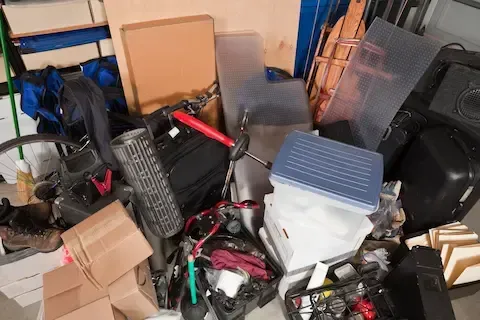
Hoarding Cleanup Services in Woodburn: Compassionate Professional Help
Hoarding disorder affects approximately 2-6% of the population, creating living conditions that pose serious health and safety risks. When you're facing a hoarding situation in Woodburn—whether for yourself, a family member, or a tenant—understanding how professional cleanup services work helps you approach this sensitive challenge with appropriate support and realistic expectations.
Professional hoarding cleanup differs fundamentally from standard junk removal. These situations require mental health awareness, biohazard handling capabilities, structural damage assessment, and coordination with multiple support services. The goal extends beyond simply clearing debris to creating sustainable living conditions while respecting the dignity and emotional needs of the person affected by hoarding disorder.
Understanding Hoarding Disorder and Cleanup Needs
Hoarding disorder is a recognized mental health condition characterized by persistent difficulty discarding possessions regardless of actual value, resulting in accumulation that compromises living spaces. This differs from general clutter or collecting behavior. People with hoarding disorder experience genuine distress at the thought of discarding items and often attribute special meaning or potential future utility to objects others might consider trash.
The disorder manifests across a spectrum. Level 1 hoarding involves clutter that doesn't impede room use, minimal odors, and accessible exits. Level 5 represents severe conditions with structural damage, complete room blockage, unusable utilities, and often significant pest infestations or biohazards. Most professional interventions address Level 3-5 situations where safety concerns necessitate immediate action.
Cleanup becomes necessary when hoarding creates fire hazards, blocks emergency egress, compromises structural integrity, or generates health risks from mold, pest infestations, or biological waste. In Woodburn, adult protective services, fire marshals, or code enforcement sometimes mandate cleanup when conditions threaten occupant safety or neighboring properties.
Successful cleanup requires understanding that simply removing items doesn't address underlying disorder. Without mental health support, re-accumulation occurs in 60-80% of cases within two years. Effective interventions combine professional cleanup with ongoing therapeutic support and often include harm reduction strategies that prioritize safety while acknowledging recovery is a gradual process.
What Professional Hoarding Cleanup Involves
Professional hoarding cleanup begins with comprehensive assessment before any removal starts. Trained specialists evaluate the space, identify biohazards, check for structural issues, document conditions, and develop phased cleanup plans. This assessment typically takes 1-3 hours and involves the affected individual when possible to establish trust and gather information about item significance.
The actual cleanup process differs dramatically from standard junk removal. Workers proceed room by room, creating sorting stations for items requiring decisions. They understand that forcing rapid discarding creates trauma and often leads to intervention failure. Professional teams work at paces that balance safety needs with emotional capacity, sometimes taking days or weeks for situations that might appear manageable in hours if emotional factors weren't considered.
Biohazard remediation forms a critical component in many hoarding cleanups. Accumulated waste, rodent droppings, mold growth, and decomposed organic matter require specialized cleaning protocols and personal protective equipment. Technicians trained in bloodborne pathogen handling and environmental decontamination address these hazards before spaces can be considered habitable.
Structural cleaning follows debris removal. Floors, walls, and remaining fixtures often require deep cleaning, sanitizing, and sometimes remediation for odors that have permeated building materials. Professional services include HEPA vacuuming, antimicrobial treatment, odor elimination, and verification that spaces meet basic health standards before being returned to use.
Costs and Pricing Structure for Hoarding Cleanup
Hoarding cleanup in Woodburn typically costs $2,000-15,000 depending on severity, property size, biohazard levels, and required disposal methods. A moderate Level 3 cleanup of a standard 1,200 square foot home averages $4,500-7,500. Severe Level 5 situations requiring extensive biohazard remediation and structural cleaning can exceed $20,000 for larger properties.
Pricing reflects specialized labor, extended timelines, safety equipment, biohazard disposal fees, and often multiple disposal loads. Standard junk removal charges by volume—typically $100-200 per truck load. Hoarding cleanup charges by square footage, time required, and hazard level because volume alone doesn't capture the complexity involved in sorting, cleaning, and remediating these spaces.
Most providers require deposits of 25-50% before beginning work, with remaining balance due upon completion. Some offer payment plans for larger jobs, recognizing that family members coordinating cleanup may face financial constraints. Insurance rarely covers hoarding cleanup directly, though homeowner policies sometimes cover resulting damage like mold remediation or pest control if you can demonstrate the underlying condition wasn't excluded.
Hidden costs emerge in severe cases. Structural repairs for floor damage, wall replacement where moisture has compromised materials, electrical work where rodent damage affected wiring, and HVAC cleaning or replacement add to total remediation expenses. Reputable providers identify these needs during initial assessment rather than surprising you with costs mid-project.
Finding Qualified Hoarding Cleanup Services
Not all junk removal companies handle hoarding situations appropriately. Look for providers with specific hoarding cleanup experience, biohazard remediation certification, and mental health awareness training. Ask directly about their experience with different hoarding levels and whether they've worked with therapists or social workers on coordinated interventions.
Qualified providers should offer initial consultations that include the affected individual when possible. They should explain their process clearly, discuss decision-making protocols for items, describe safety measures for workers and occupants, and demonstrate understanding that this isn't simply a cleaning job but a mental health intervention requiring sensitivity.
Check for proper licensing and insurance. Hoarding cleanup involves biohazard exposure risks, property damage potential, and liability concerns beyond standard junk removal. Providers should carry general liability insurance, workers compensation coverage, and ideally pollution liability insurance covering biohazard work. In Oregon, waste disposal requires proper licensing—verify they're not simply dumping materials illegally to reduce costs.
References matter significantly in hoarding work. Ask for examples of similar-level jobs they've completed, how they handled challenges that arose, and whether they can connect you with previous clients willing to share experiences. Professional hoarding cleanup providers understand this is sensitive work and maintain confidentiality, but ethical companies can demonstrate experience without violating client privacy.
Preparing for the Cleanup Process
Mental health support should precede physical cleanup when possible. Connecting the affected individual with therapists specializing in hoarding disorder helps prepare them emotionally and establishes ongoing support for preventing re-accumulation. Many therapists recommend involving them in creating cleanup plans and decision-making frameworks before work begins.
Document conditions thoroughly before cleanup starts. Photograph each room from multiple angles, noting specific concerns like structural damage, pest evidence, or utility issues. This documentation supports insurance claims if applicable, provides baseline conditions if disputes arise, and helps track progress through multi-day cleanups.
Arrange temporary housing if cleanup involves biohazard remediation or will render the home uninhabitable for days. Hotels, stays with family, or short-term rentals may be necessary during intensive cleaning. Factor these costs into overall budget planning and coordinate timing so housing arrangements align with work schedules.
Identify items with genuine value or importance before crews arrive. Family photos, legal documents, valuables, and items with clear sentimental significance should be flagged for careful handling. While everything may seem important to someone with hoarding disorder, establishing clear priorities for items that truly warrant preservation helps crews work more efficiently while respecting legitimate concerns.
The Cleanup Process Timeline and Stages
Initial cleanups for moderate hoarding situations typically span 3-7 days of active work. Severe cases may require 2-3 weeks. Timeline depends on property size, accumulation level, decision-making speed, and whether structural issues or biohazards extend remediation needs beyond basic debris removal.
Day one usually focuses on creating access pathways and establishing sorting systems. Crews clear routes to exits for safety, set up areas for items requiring decisions, and begin removing obvious trash. This stage builds trust and demonstrates progress while allowing the affected individual to acclimate to the process.
Middle stages involve systematic room clearing. Teams work methodically through spaces, presenting items for decision-making when the individual participates, or following pre-established criteria when they don't. Disposal loads occur throughout this phase as truck volumes accumulate. Most hoarding cleanups generate 3-8 full truck loads of materials requiring disposal.
Final stages address deep cleaning and remediation. Once debris is removed, professionals assess what cleaning is needed. This might involve carpet removal if materials have absorbed biohazards, wall washing, floor sanitizing, or odor treatment. Some situations require professional cleaning services beyond what junk removal teams provide, necessitating coordination with specialized remediation contractors.
Supporting Recovery After Cleanup
Post-cleanup support is critical for preventing re-accumulation. Connect the individual with ongoing therapy, support groups, or case management services. The International OCD Foundation maintains directories of therapists trained in hoarding disorder treatment. Clutter-Hoarding Scaling in Pictures helps individuals and support people monitor conditions and intervene before severe accumulation recurs.
Establish maintenance systems that acknowledge the underlying disorder rather than expecting it to simply disappear after cleanup. Regular check-ins, designated spaces for new items, and clear plans for managing incoming mail, purchases, and gifts help maintain progress. Some families arrange weekly or monthly visits to provide accountability and early intervention if re-accumulation begins.
Professional organizing services specializing in hoarding recovery can help establish sustainable systems. These specialists differ from standard organizers—they understand the disorder, work at appropriate paces, and focus on harm reduction rather than achieving magazine-worthy organization. Their goal is functional, safe spaces that the individual can maintain, not perfection.
Consider ongoing relationships with cleanup providers for periodic maintenance. Some companies offer reduced-rate quarterly or monthly check-ins to remove accumulating items before conditions deteriorate. This approach costs less than full cleanups and provides regular accountability that supports recovery.
Legal and Ethical Considerations
Hoarding cleanup sometimes occurs under legal mandates from code enforcement, adult protective services, or landlords. Understanding your rights and responsibilities helps navigate these situations appropriately. In Oregon, landlords must provide reasonable notice and opportunity to remedy conditions before forced cleanups, except in emergency situations posing immediate safety threats.
Adult protective services involvement aims to ensure vulnerable adults live in safe conditions while respecting autonomy. They can mandate cleanups when self-neglect creates serious health risks, but ethical interventions involve the individual in planning and provide mental health support alongside physical cleanup. If you're working with protective services, clarify what their involvement requires and what flexibility exists in implementation.
Privacy concerns matter significantly. Hoarding disorder carries stigma, and individuals affected deserve confidentiality. When hiring cleanup services, discuss their privacy practices, ensure workers understand discretion expectations, and verify they won't share identifying details or photos without explicit consent. Reputable companies treat these jobs with the same confidentiality as any medical or mental health service.
Estate situations where deceased individuals left hoarded properties require sensitivity even posthumously. Family members often experience shame, grief, and overwhelm when discovering the extent of a loved one's hoarding. Professional services should approach these situations without judgment, recognizing that families are processing complex emotions while managing difficult practical challenges.
Professional hoarding cleanup requires specialized expertise that extends far beyond standard junk removal capabilities. When you're facing emergency junk removal in Woodburn, seeking providers with appropriate training, mental health awareness, and genuine compassion ensures the process respects human dignity while addressing serious safety concerns. Successful interventions combine professional cleanup with ongoing therapeutic support, realistic timelines, and understanding that recovery from hoarding disorder is a long-term process requiring patience and comprehensive care.
<p>For more on this, see <a href='https://woodburnjunk.com/post/estate-cleanout-woodburn-oregon'>compassionate hoarding cleanup in Woodburn</a>.</p>
