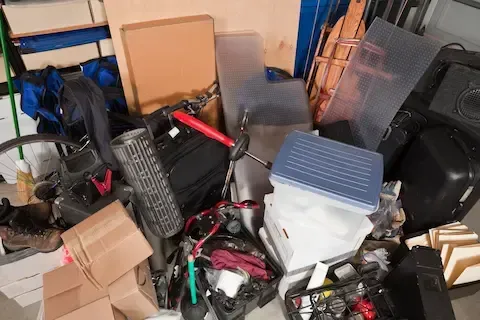
Hoarding Cleanup for Woodburn OR Homes in Marion County
Hoarding situations in Woodburn and across Marion County require a level of care that goes far beyond standard junk removal. Whether you're a family member trying to help a loved one, a property owner managing an estate, or someone ready to reclaim their own space, the process of clearing a hoarded home involves emotional weight alongside the physical work. Woodburn is a close-knit community, and the people navigating these situations deserve a team that handles every step with discretion, patience, and genuine respect.
What Makes Hoarding Cleanup Different from Standard Junk Removal
Most junk removal jobs follow a straightforward process: identify items, load them, haul them away. Hoarding cleanup is rarely that simple. The sheer volume of accumulated belongings often creates safety hazards — narrow pathways through stacked items, compromised structural areas, or years of layered debris that conceals damage underneath. In some cases, perishables, pests, or biohazard conditions are part of what a crew encounters when they first walk through a door.
Beyond the physical complexity, hoarding situations carry emotional stakes that don't exist in a typical cleanout. The person whose space is being cleared may still live there. They may have strong attachments to items that seem unusable to others. Or family members may disagree about what to keep and what to remove. A professional Hoarding Cleanup team needs to work at a pace and with a communication style that honors those dynamics — not bulldoze through them to hit a time target.
Common Conditions Found in Hoarded Homes Across Marion County
Marion County homes vary widely in age, size, and layout — from older farmhouses in the rural stretches near Woodburn to mid-century residential neighborhoods close to downtown. Each presents its own set of challenges when hoarding has taken hold over months or years.
- Floor-to-ceiling stacking: Items piled against walls or across entire rooms, reducing usable space to a few feet of walkable path
- Multiple room accumulation: Bedrooms, kitchens, bathrooms, and garages all affected rather than isolated to a single area
- Decomposed organics: Spoiled food, compost, or plant material mixed into the debris requiring careful sorting and appropriate disposal
- Animal hoarding conditions: Waste, dander, and damage from animals kept beyond the home's capacity to manage
- Hidden valuables: Important documents, sentimental items, and occasionally financial assets buried within the accumulation
- Structural concerns: Floor damage from moisture or weight, mold growth behind stacked items, or blocked ventilation systems
No two hoarding situations are identical. That's why an on-site assessment before any work begins matters so much. Walking the property with someone experienced in these conditions gives you a realistic picture of scope, timeline, and what the sorting process will look like.
The Sorting Process and Why It Matters
One of the most important distinctions in professional hoarding cleanup is the commitment to sorting before removing. Indiscriminate hauling — loading everything into a truck without review — risks discarding things that carry genuine value or meaning. In Woodburn homes, crews often uncover photo albums, legal documents, medication, heirlooms, and sentimental items buried beneath what looks at first like pure debris.
A structured sorting process typically creates several categories:
- Keep: Items the homeowner or family identifies as important to retain
- Donate: Usable goods suitable for local donation to organizations serving the Woodburn and Marion County area
- Recycle: Materials with designated recycling streams including metals, electronics, and paper
- Dispose: Items that cannot be reused, resold, or recycled and require proper disposal
- Hazardous: Materials requiring specialized handling — chemicals, biohazard material, or certain medical waste
This sorting approach takes more time than bulk hauling, but it's the right way to handle someone's accumulated life. It also helps families who were not present during accumulation years understand what's actually in the home before final decisions are made.
Privacy and Discretion in a Community Like Woodburn
Woodburn is a city of roughly 26,000 people — large enough to have real services and infrastructure, but small enough that neighbors notice when multiple trucks show up at a house for several days. Privacy matters in hoarding situations. Families often work hard to manage these cleanouts quietly, and the last thing anyone needs is unnecessary attention drawn to a difficult personal situation.
Working with a local team that understands the Woodburn community means understanding that discretion is part of the job. Crews should arrive in clearly marked but unobtrusive vehicles, work efficiently without creating spectacle, and handle all communication with the household through a single point of contact to avoid miscommunication or embarrassment. If a situation requires multiple days of work, scheduling can be managed to keep disruption to neighbors minimal.
What Families and Property Owners Should Know Before Starting
If you're organizing a hoarding cleanup for a family member or managing a property you've inherited or purchased in Marion County, a few things will help the process go more smoothly from the start.
Get everyone aligned before crews arrive. If multiple family members have opinions about what to keep, those conversations need to happen beforehand — not during the cleanup itself. Disagreements mid-project slow work significantly and increase stress for everyone involved, including the person whose home it is.
Understand that timelines vary. A hoarded studio apartment may take a full day. A three-bedroom house with fifteen years of accumulation may take several. Don't let early estimates lock you into expectations that can't be met once the full scope of the project becomes clear.
Be prepared for surprises. It is genuinely common in hoarded homes to find things no one expected — both good and bad. Financial accounts, medications, structural damage, and pest evidence all show up in the process. Going in with flexibility and patience protects both the project outcome and your own stress levels.
Consider what follows the cleanup. After removal and sorting are complete, the property typically needs cleaning — sometimes deep cleaning that addresses odors, residue, and sanitation concerns. Knowing this in advance lets you plan for that next stage rather than being surprised by the condition of the space once items are removed.
Hoarding Cleanup and Estate Situations in Marion County
Many hoarding cleanouts in the Woodburn area happen in the context of estate situations — a family member has passed, a property is being prepared for sale or transfer, or an executor is managing an estate that includes a home in this condition. These situations layer legal and emotional complexity onto an already demanding process.
In estate hoarding scenarios, the priority is usually documentation and preservation of anything that might have legal or financial significance — wills, deeds, account statements, insurance documents — before general sorting begins. If you're managing an estate and approaching a hoarded property, read through our estate cleanout hub for context on how that process works alongside the hoarding cleanup itself. The two efforts often overlap, and understanding how they connect helps you sequence the work correctly.
Local Disposal and Donation Considerations
Marion County has specific requirements for waste disposal that professional hoarding cleanup crews need to follow. Furniture, electronics, appliances, and hazardous materials each have designated handling pathways. A team unfamiliar with Marion County disposal regulations can inadvertently create compliance problems — or simply end up charging you for disposal at the wrong facilities, which costs more and takes longer.
On the donation side, Woodburn and the surrounding Willamette Valley have nonprofit organizations, thrift stores, and community programs that accept a wide range of goods. Usable furniture, clothing, kitchenware, and tools can be directed to these resources rather than the landfill, which is both environmentally responsible and, in many cases, meaningful to families who want the belongings to benefit others rather than simply disappear into the waste stream.
Compassionate Pacing and Communication Throughout
The rhythm of a hoarding cleanup matters as much as the physical work. For the person whose home is being cleared, each decision about an item can carry weight — even items that appear worthless to an outside observer. Rushing that process, or dismissing the significance of what someone has kept, damages trust and can cause the entire project to break down.
Professional crews experienced in hoarding situations know how to set a pace that keeps progress moving while giving decision-makers the space they need. This might mean clearing one room completely before moving to another rather than working across the whole property at once, which can feel overwhelming and disorienting. It might mean pausing at certain points to let the homeowner or family review decisions before loads leave the property.
Communication throughout the process should be clear, calm, and consistent. Updates on what's been cleared, what's been set aside for review, and what remains to be done help everyone stay oriented — especially when the project spans multiple days across a Marion County property.
Getting Started with Hoarding Cleanup in Woodburn
If you're facing a hoarding situation in Woodburn or anywhere in Marion County, the first step is a realistic assessment of what the property contains and what the goals of the cleanup are. That conversation should happen with someone who has experience in these specific conditions — not a standard junk hauler who may underestimate the complexity or mishandle the sorting process.
Reaching out early, before pressure from a landlord, a court order, or a sale deadline creates urgency, gives you more control over the timeline and approach. The best hoarding cleanouts in the Willamette Valley happen when there's enough time to do the work right — with care for the people involved and respect for everything found inside the home.
