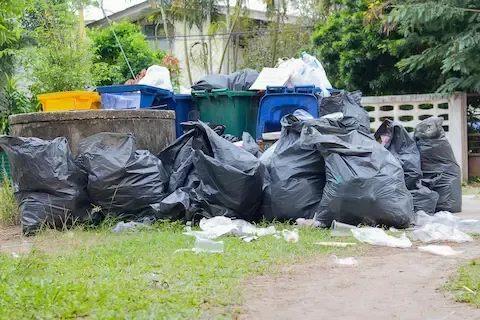
Marion County Yard Waste Disposal in Woodburn Oregon
Woodburn sits in the heart of the Willamette Valley, where the growing season stretches long and the yards reflect it. Mature trees drop heavy loads of debris every fall, spring cleanup uncovers months of accumulated brush, and regular lawn maintenance generates clippings and trimmings that pile up faster than most people expect. When that material accumulates, homeowners in this part of Marion County quickly discover that disposal options are more limited than they assumed. Knowing how the local system works — and where the gaps are — saves you time, money, and a weekend you'd rather spend somewhere other than hauling debris.
What Marion County Accepts and Where
Marion County operates the Brooks Transfer Station and Recycling Center on Brooks Avenue NE, which accepts yard debris from county residents. Drop-off fees apply based on weight or load volume, and the facility follows specific operating hours that don't always align with a working homeowner's schedule. The facility accepts leaves, grass clippings, brush, and small branches. Larger stumps, root balls with significant soil attached, and mixed loads that include non-organic material may be rejected or charged at a different rate.
The county also participates in curbside yard debris pickup through some waste service agreements, but coverage depends on your specific address and service tier. Many properties in and around Woodburn — particularly those on rural routes or properties that recently converted from agricultural zoning — fall outside standard curbside pickup zones. If your address isn't in an eligible zone, you're responsible for getting the material to a drop-off point yourself.
Why Woodburn Homeowners Struggle With Yard Waste More Than Most
The Woodburn area has a mix of older residential neighborhoods with large established trees, newer developments with aggressive landscaping, and properties that back up to agricultural land. That combination creates specific challenges. Older trees in established Woodburn neighborhoods produce large volumes of branch debris, especially after wind events or pruning. Newer developments generate dense grass clippings and shrub trimmings that bag up heavy and fast.
Seasonal timing adds another layer of difficulty. The wet fall and early winter that defines the Willamette Valley means that yard debris becomes sodden and significantly heavier before many homeowners have a chance to deal with it. Bagging wet leaves is a different physical task than bagging dry fall debris, and it often results in more bags — and more weight — than anyone planned for. By the time a major cleanup is complete, even a modest Woodburn property can generate a load that exceeds what a standard passenger vehicle or small trailer can handle in a single trip.
What Qualifies as Yard Waste for Disposal Purposes
Not everything from a yard cleanup counts as yard waste under Marion County's guidelines. Understanding the distinction matters when you're deciding how to route different materials.
- Accepted yard debris: Grass clippings, leaves, small branches and brush under a certain diameter, garden trimmings, and plant material free of soil
- Not accepted as yard debris: Treated wood, painted or stained lumber, invasive species like English ivy or Scotch broom in certain conditions, material mixed with plastic bags or non-organic waste
- Separate category: Larger stumps and root systems are typically handled as construction and demolition debris, not yard waste, and carry different fees
Misclassifying your load — showing up at a yard debris facility with mixed material — can result in the load being rejected or reclassified at a higher disposal rate. If you're dealing with a cleanup that involves multiple types of debris, sorting it before transport saves significant hassle.
The Gap Between What the County Offers and What Homeowners Need
Here's where the practical problem emerges. Marion County's official yard waste infrastructure is designed for manageable, ongoing material — the kind a household generates week to week through normal maintenance. It's less well-suited to one-time large cleanups, post-storm debris loads, or the kind of seasonal blitz that happens when a property hasn't been maintained for a season or more.
If you've just cleared a back lot, taken down several overgrown shrubs, had a tree limbed, or done a full fall cleanup of a larger Woodburn property, you're likely looking at a volume of material that can't be bagged, can't wait for a weekly curbside pickup, and requires either multiple trips to a transfer station or a different hauling solution entirely. For many homeowners, that's where a local yard waste removal service becomes the practical answer rather than the luxury option.
For a broader look at what the removal process covers and how loads are typically handled locally, see our Woodburn yard waste page for details on what types of debris qualify and how pickups are scheduled.
Timing Your Cleanup Around Willamette Valley Conditions
Timing matters here in ways it doesn't in drier climates. A yard cleanup in Woodburn in late September handles very differently than the same job in November. Fall rains arrive quickly in Marion County, and once they do, debris weight increases substantially, access to certain parts of your property may become muddy, and the window for efficient hauling narrows. Homeowners who wait until after the first major rainfall to schedule their cleanups often find the job takes twice as long and generates material that's harder to move.
Spring cleanup has its own timing logic. The period between when the ground firms up and when the growing season kicks into high gear is short in this part of the valley. Getting brush and dead material cleared before new growth fills in makes the work easier and prevents the kind of mixed-load complications that come with hauling fresh green growth alongside dry winter debris.
What to Expect From a Professional Yard Waste Pickup in Woodburn
When you hire a local crew for yard waste removal, the process is straightforward but worth understanding before you schedule. Most services will assess the volume — either on-site or through photos — and give you a quote based on load size rather than time. You don't need to bag or bundle most material in advance; the crew loads it directly, which is the main practical advantage over hauling it yourself.
Material from Woodburn pickups is typically routed to composting facilities or transfer stations where it's processed appropriately. That means your debris doesn't end up in a landfill — it goes into a composting stream that serves regional agriculture. For homeowners who care about where their material ends up, that matters. Yard Waste Removal in this area is handled with that routing in mind, keeping Marion County's organic waste out of the general trash stream.
Practical Considerations Before You Schedule
A few things worth confirming before a pickup crew arrives at your Woodburn property. First, make sure the debris pile is accessible — crews need to get within reasonable distance with a truck, and gated or fenced access should be arranged in advance. Second, separate any non-yard-waste material from the pile; mixed loads take longer to sort and may affect pricing. Third, if you have invasive plant material like blackberry canes or ivy, mention it when you schedule — some facilities have specific intake requirements for those species.
For larger properties or post-storm situations in Marion County, same-day or next-day scheduling is often available. The key is calling early in the day rather than waiting until you've already started moving debris around and need immediate help.
