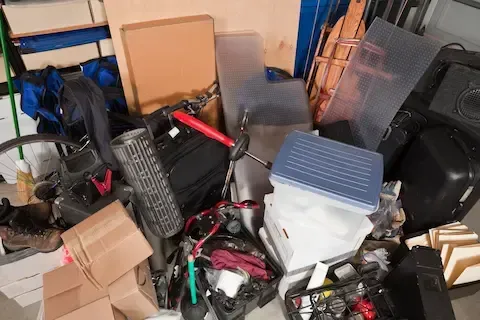
Hoarder Cleanup Process for Woodburn OR Homeowners
Hoarding cleanup in Woodburn, Oregon requires a structured, compassionate approach that respects both the homeowner and the property. The process involves careful assessment, systematic sorting, and professional restoration to return your home to a safe, livable condition while preserving valuable items and memories.
Understanding the Hoarding Cleanup Process
The cleanup process begins with a thorough assessment of the property and the homeowner's specific needs. Professional cleanup teams evaluate the scope of work, safety concerns, and any structural issues that may have developed. This initial phase helps determine the timeline, resources needed, and specialized equipment required for safe removal.
Each hoarding situation is unique, requiring customized solutions that address the individual's emotional attachment to items while prioritizing health and safety. The process typically involves multiple phases, from initial clearing of pathways to complete property restoration, ensuring that every step respects the homeowner's dignity and preferences.
Assessment and Planning Phase
Before any cleanup begins, professionals conduct a comprehensive evaluation of the property. This includes identifying potential hazards such as mold, structural damage, or pest infestations that commonly develop in hoarding situations. Safety protocols are established to protect both workers and homeowners during the cleanup process.
The planning phase also involves discussions with the homeowner about items they wish to keep, donate, or discard. This collaborative approach helps reduce anxiety and ensures that important possessions are preserved. Marion County residents often find this initial conversation helps them feel more in control of the process.
Documentation of the property's condition helps establish baselines for restoration work. Photographs and notes create a record that can be useful for insurance purposes and help track progress throughout the cleanup process.
Systematic Sorting and Removal
Professional hoarding cleanup follows a systematic approach to sorting and removing items. Teams work room by room, creating clear categories for items to keep, donate, recycle, or dispose of. This methodical process prevents overwhelm and ensures nothing important is accidentally discarded.
Valuable items are carefully set aside and documented. Important documents, family photos, and sentimental items receive special attention to ensure they're preserved safely. Hoarding Cleanup services prioritize recovering these meaningful possessions that might otherwise be lost in the clutter.
Hazardous materials require special handling and disposal according to Oregon environmental regulations. This includes old electronics, chemicals, batteries, and other items that cannot be disposed of in regular waste streams. Proper disposal protects both the environment and community health.
Safety and Health Considerations
Hoarding cleanup often reveals health hazards that have developed over time. Mold growth, pest infestations, and compromised air quality are common issues that require immediate attention. Professional cleanup teams use protective equipment and follow strict safety protocols to address these concerns.
Structural issues may become apparent once items are removed. Water damage, floor deterioration, or wall damage from moisture and pests needs professional assessment. Early identification of these problems prevents further deterioration and ensures repairs can be properly planned.
Mental health support is equally important during the cleanup process. Many Woodburn homeowners benefit from having a trusted friend or family member present during cleanup sessions. Professional teams are trained to work sensitively with individuals who may feel overwhelmed by the process.
Donation and Recycling Opportunities
Many items recovered during hoarding cleanup can benefit local charities and organizations in Marion County. Clothing, books, household goods, and furniture in good condition find new homes through donation programs. This approach helps homeowners feel positive about items leaving their home.
Recycling programs handle materials like metals, paper, and certain plastics. Electronics recycling ensures that old computers, televisions, and appliances are processed responsibly. These sustainable practices reduce landfill waste while supporting environmental conservation efforts.
Some items may have resale value that can offset cleanup costs. Antiques, collectibles, or valuable items can be sold through appropriate channels with the homeowner's permission. Professional cleanup teams can help identify potentially valuable items during the sorting process.
Property Restoration and Deep Cleaning
Once items are removed, the property requires thorough cleaning and potential restoration. This phase addresses any damage that occurred during the hoarding period, including deep cleaning of surfaces, odor removal, and sanitization of the entire space.
Carpet replacement or deep cleaning may be necessary depending on the condition. Walls often need washing or repainting to remove stains and odors. HVAC systems require inspection and cleaning to ensure proper air quality throughout the home.
Professional restoration may include addressing water damage, replacing damaged flooring, or repairing walls. For more information about the complete process, homeowners can review the hoarding cleanup overview to understand what restoration work might be needed.
Working with Insurance and Documentation
Homeowner's insurance policies vary in their coverage of hoarding cleanup and related damage. Documentation from the cleanup process helps support insurance claims for restoration work. Professional cleanup companies typically provide detailed reports and photographs that insurance companies require.
Working with insurance adjusters early in the process helps clarify coverage and approved restoration methods. Some insurance policies cover water damage or structural repairs but may not cover the actual cleanup costs. Understanding coverage limitations helps homeowners plan financially for the complete restoration.
Keeping detailed records of all cleanup and restoration work protects homeowners and provides documentation for future reference. These records can be valuable for tax purposes or future property transactions.
Long-term Support and Maintenance
Successful hoarding cleanup extends beyond the initial clearing and cleaning. Many Woodburn residents benefit from ongoing support to maintain their newly restored space. This might include regular cleaning services, organizational coaching, or continued mental health support.
Establishing new routines and systems helps prevent re-accumulation of items. Professional organizers can help create sustainable storage solutions and daily habits that maintain the home's improved condition. Family and friend support networks also play crucial roles in long-term success.
Regular check-ins with cleanup professionals can provide accountability and early intervention if hoarding behaviors begin to return. This preventive approach protects the investment made in cleanup and restoration while supporting the homeowner's continued well-being.
